Objective
to determine whether sirolimus-coated balloon angioplasty reduces the incidence of major adverse limb events compared to standard uncoated balloons in patients with infrainguinal artery disease
Study
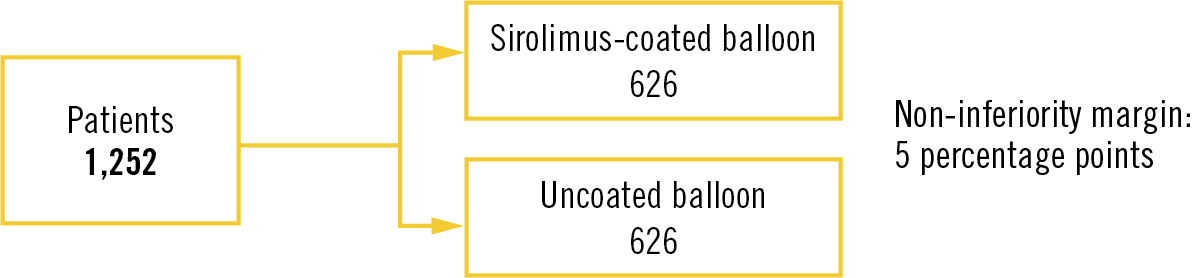
prospective, multicentre, open-label, randomised non-inferiority trial with pre-specified sequential testing strategy for superiority
Population
patients with symptomatic peripheral arterial disease undergoing intervention
Endpoints
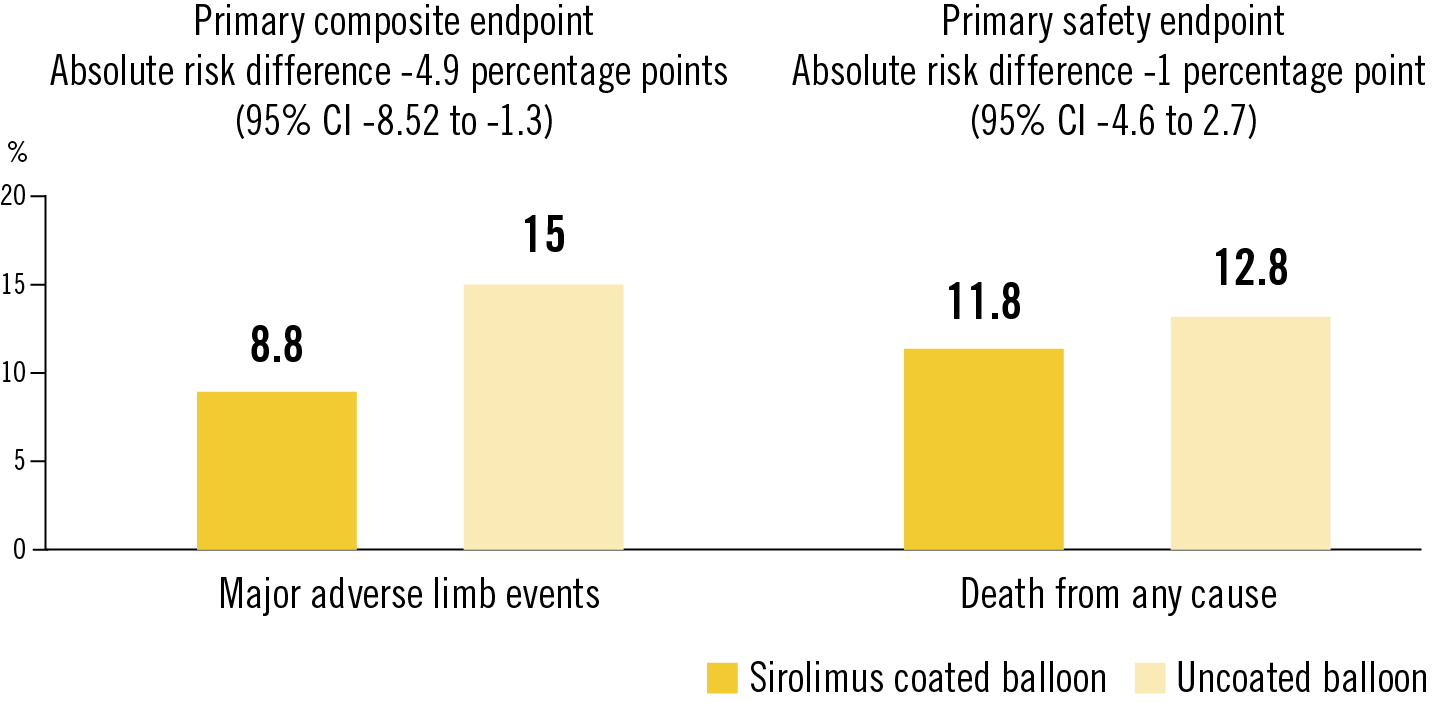
primary composite: unplanned major target limb amputation or target lesion revascularisation for critical limb ischaemia at 1 year; primary safety: death from any cause
Conclusion
In patients undergoing endovascular treatment for infrainguinal artery disease, sirolimus-coated balloon angioplasty resulted in a significantly lower 1-year incidence of major adverse limb events compared to uncoated balloons, achieving both non-inferiority and superiority without increasing mortality.
Barco et al. N Engl J Med. 2026 Mar 30.